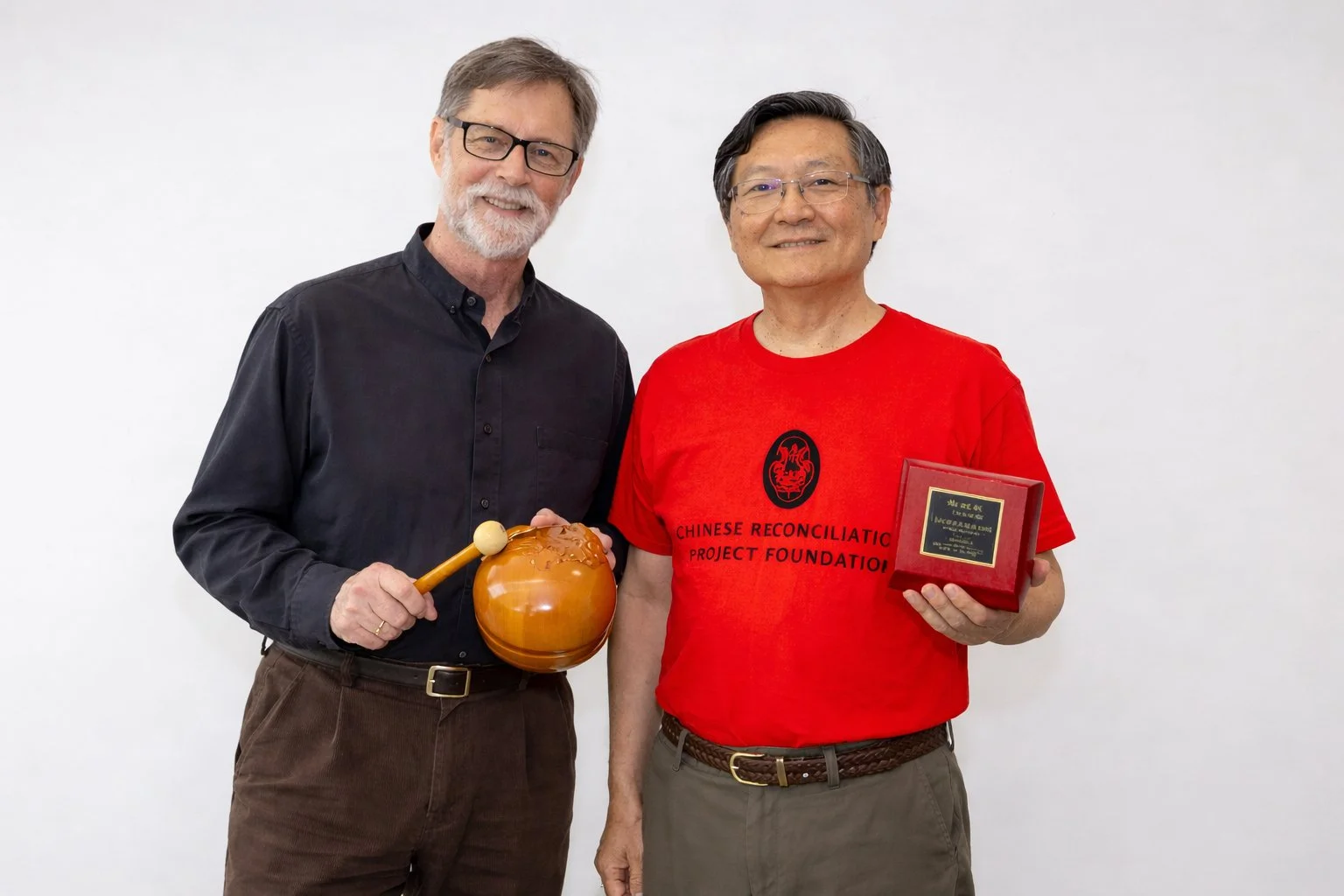
The Calligrapher’s Stone with Lihuang Wung & Gregory Youtz
What happens when a place is made to disappear? How is it remembered?
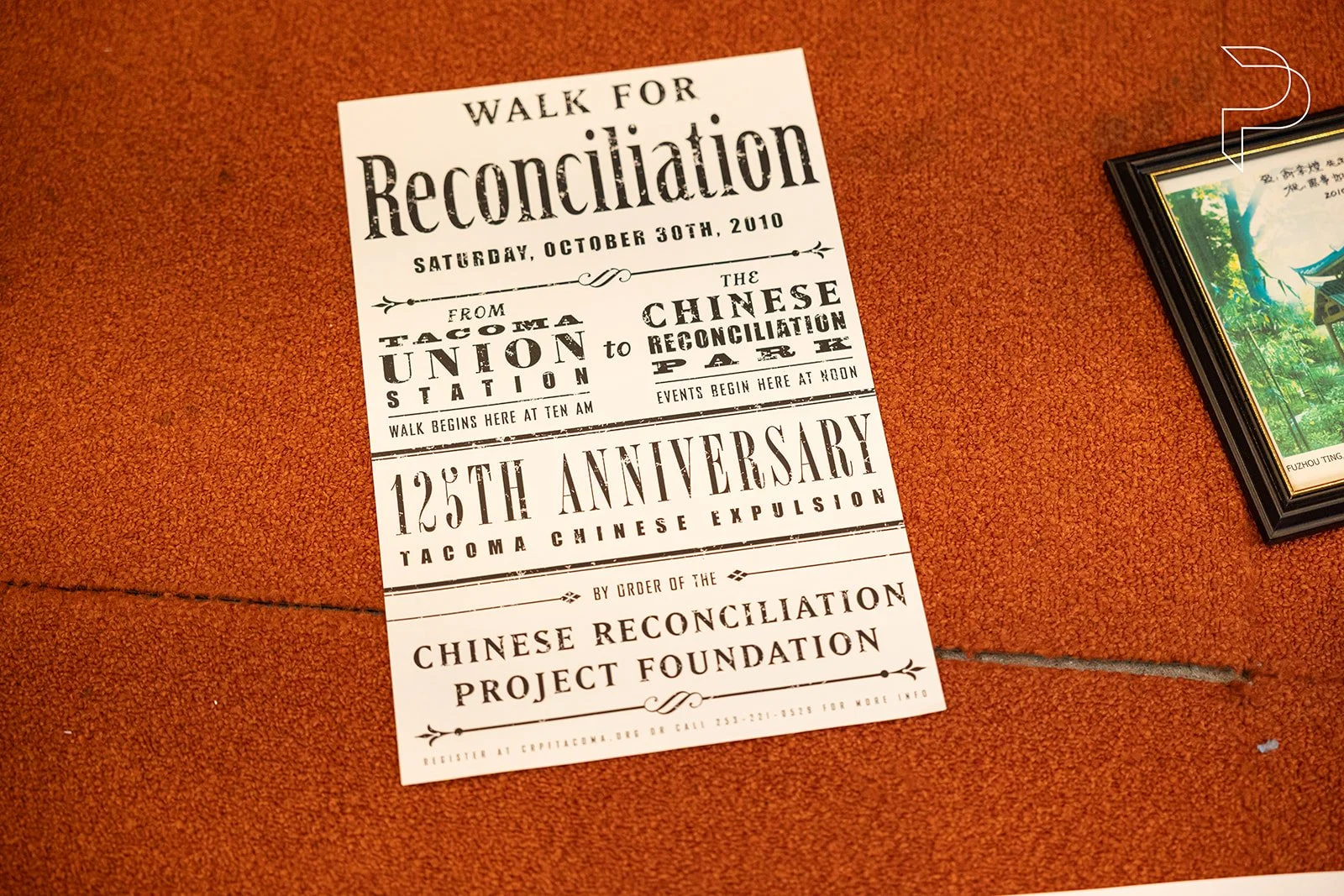
There is no Chinatown in Tacoma. In 1885, the city forcibly expelled its Chinese community. Families were marched from their homes, pushed aboard trains and told never to return. Businesses were left behind, looted and burned. The neighborhood known as Little Canton disappeared.
And unlike other West Coast cities, Tacoma’s Chinatown never returned.
Many of those who were expelled rebuilt their lives elsewhere, but Tacoma’s Chinese community was never re-established, leaving no visible traces in the city today.
What remains is not a street or a district, but a question.
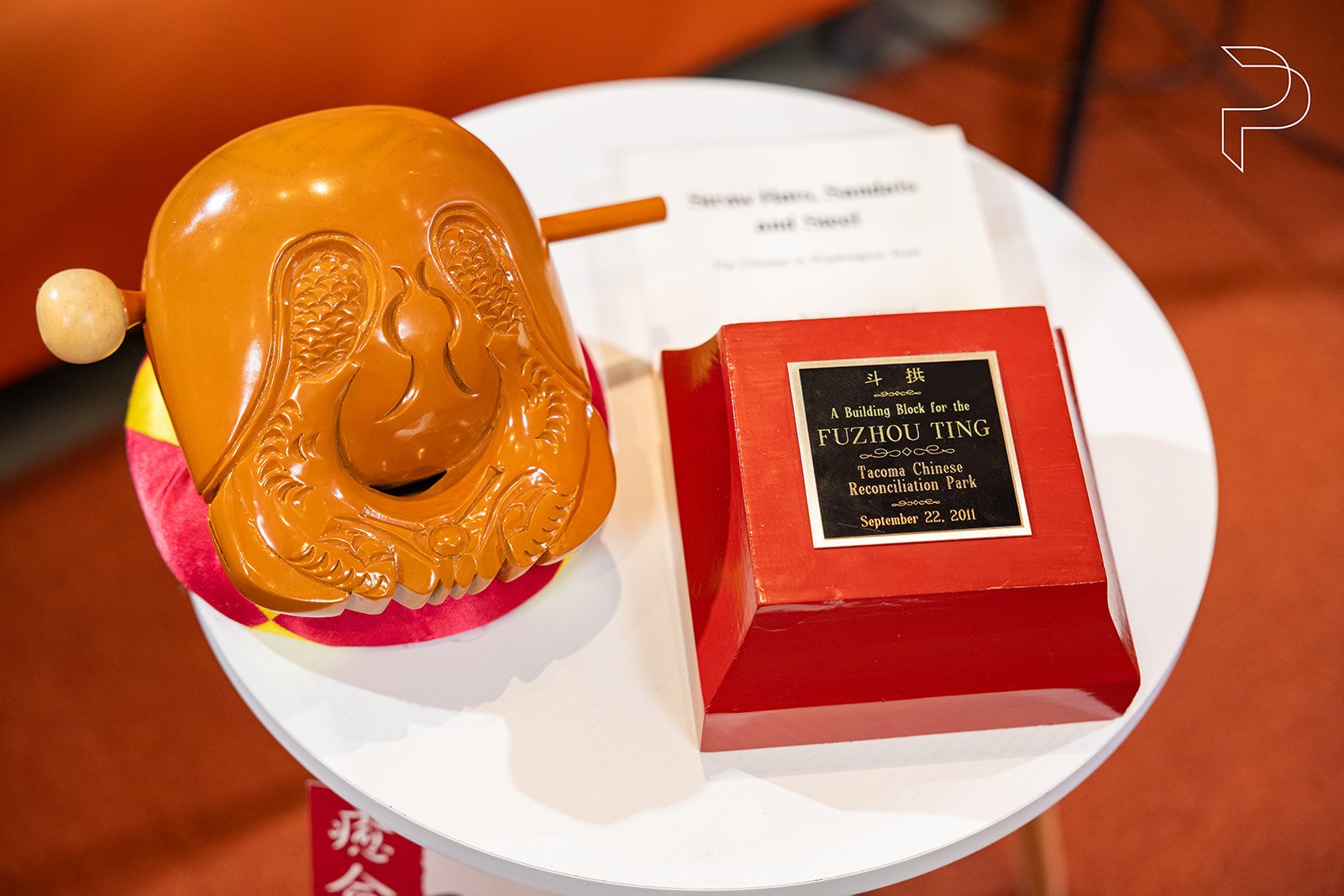
In this episode, you follow that question across Tacoma’s working waterfront, through tideflats where a community once stood and toward the Tacoma Chinese Reconciliation Park. What emerges is a place shaped by landscape, absence and the deliberate act of remembering.
It begins with something small: a single Chinese character, considered for inscription on stone.
But a character is not enough.
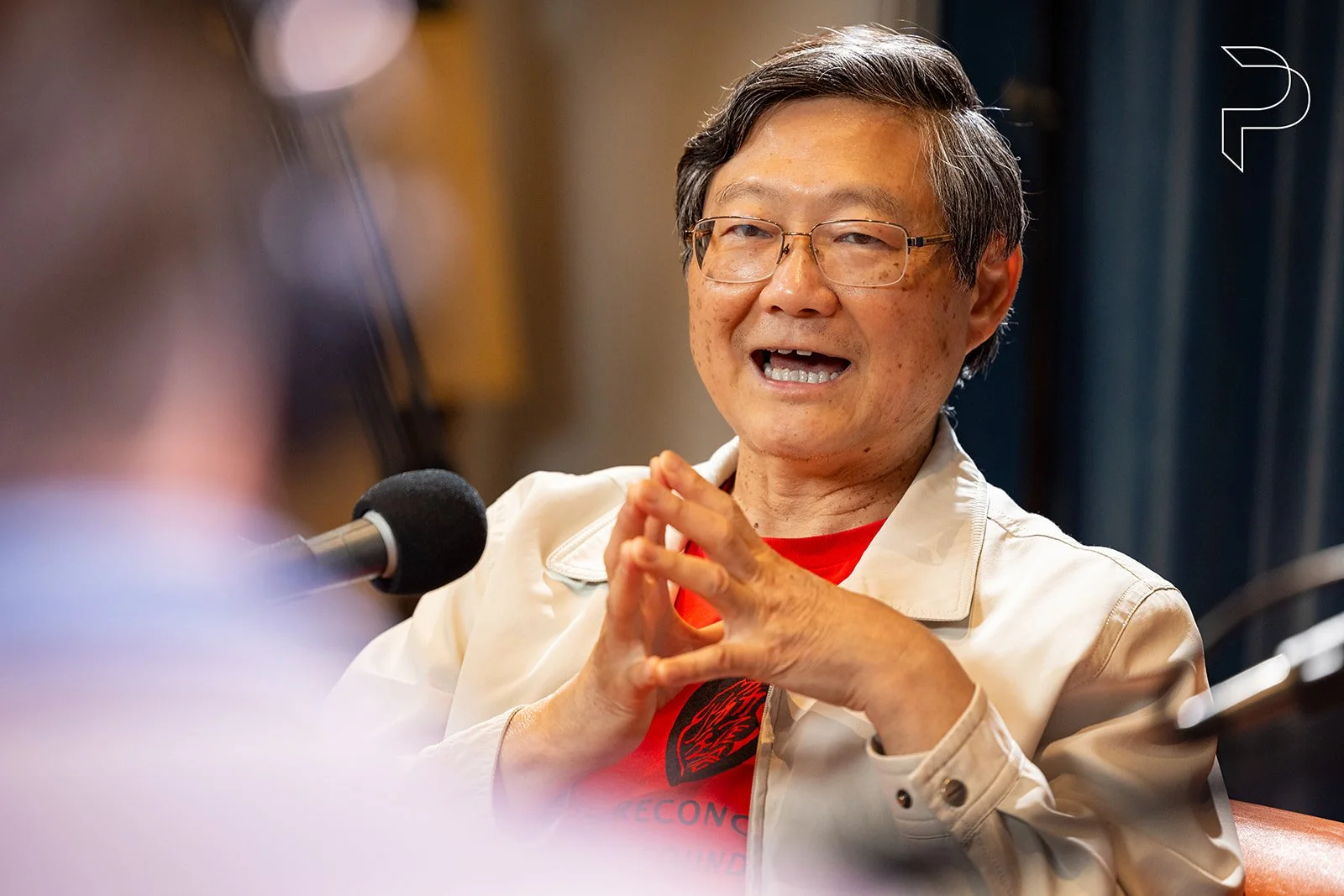
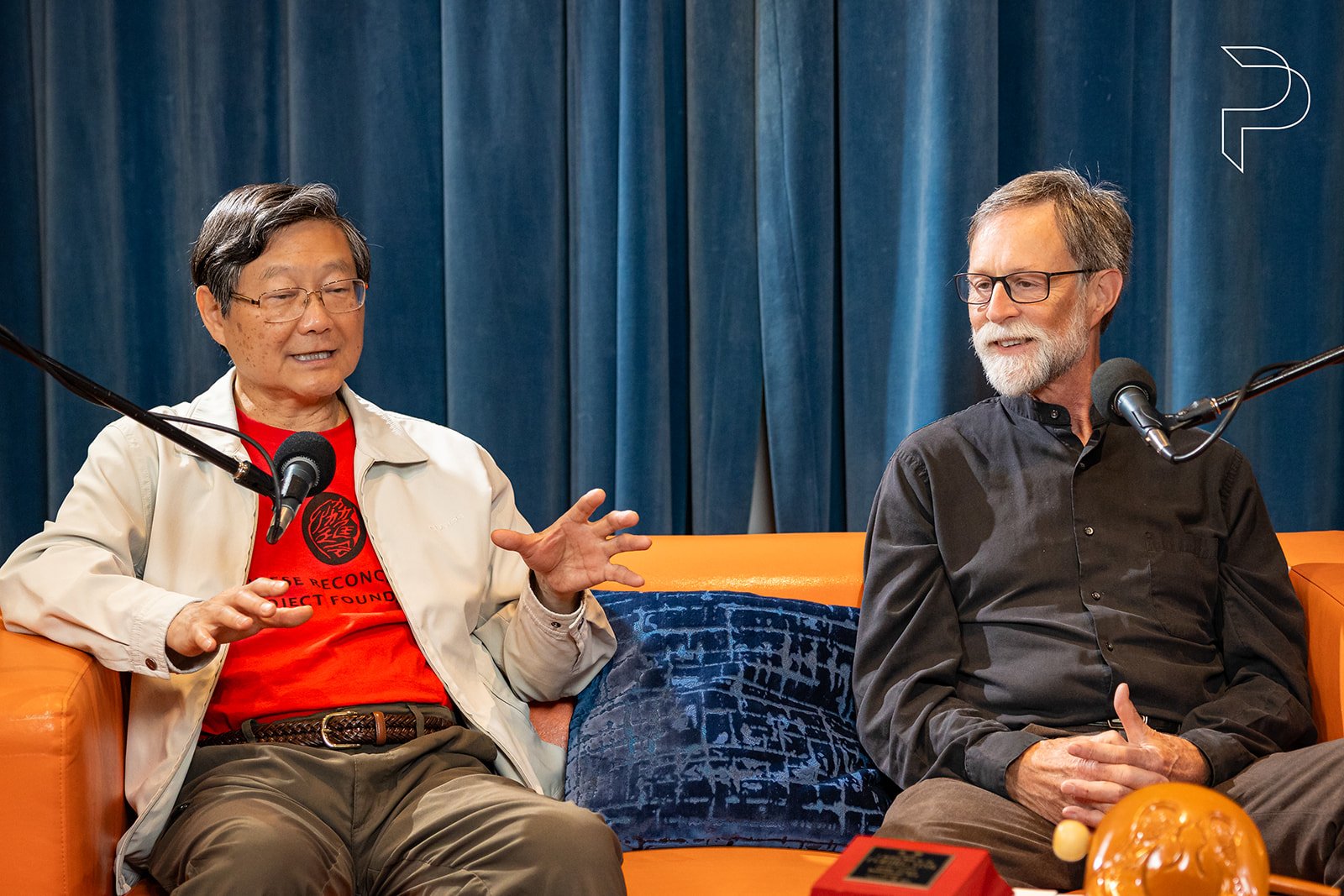
Lihuang Wung, the urban planner who helped shape the park, guides you through the space where design, memory and landscape meet.
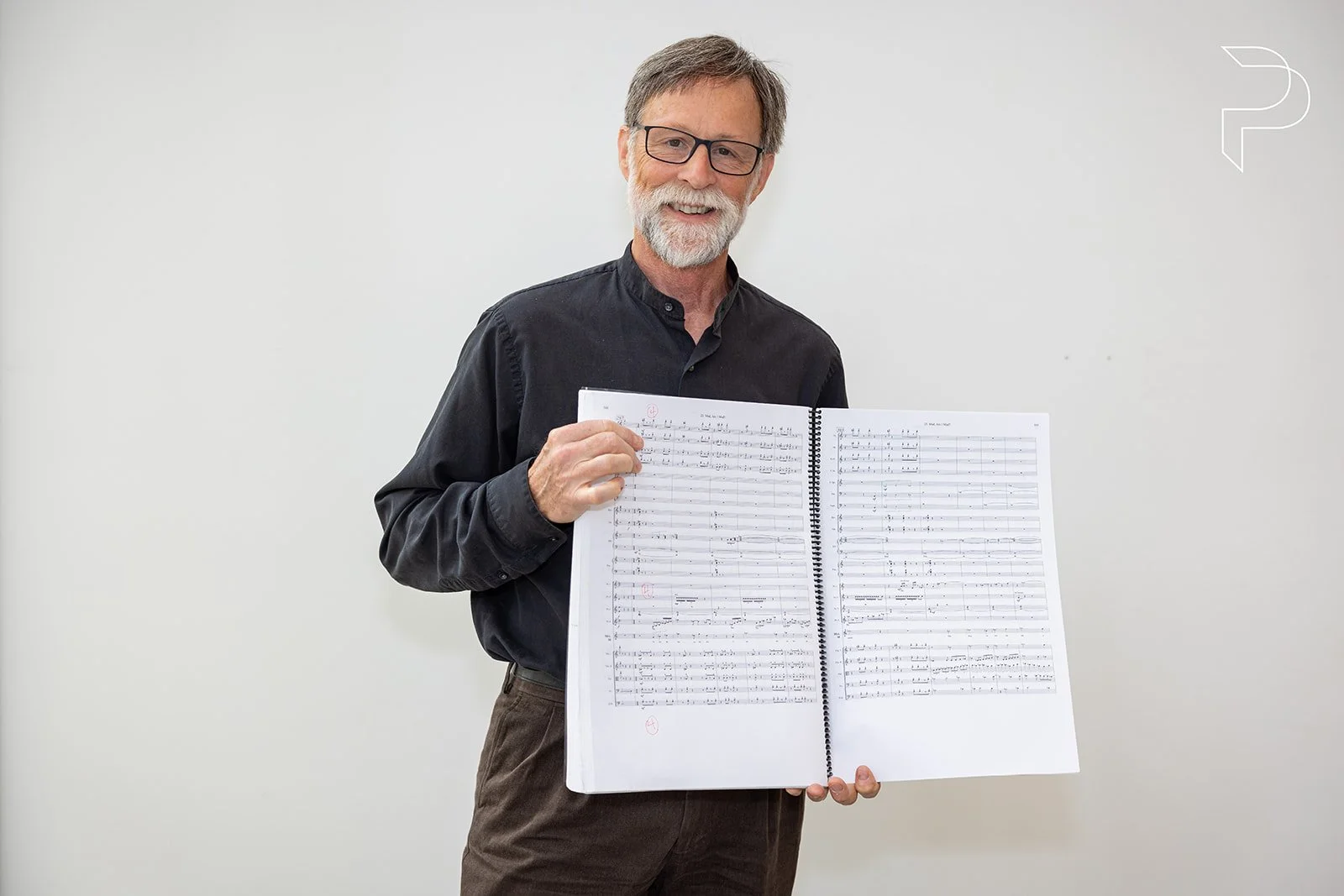
Composer Gregory Youtz carries this history into music through collaboration with Chinese American artists, including poet Zhang Er, and through rigorous historical research.
Alicia Valentino of Psomas, as with others, draws you beneath the surface into the layered tideflats, where traces of what once stood may still remain.
Together, these voices carry the story forward through song, story and stone.
They ask: what does it take to give form to something that was meant to disappear?
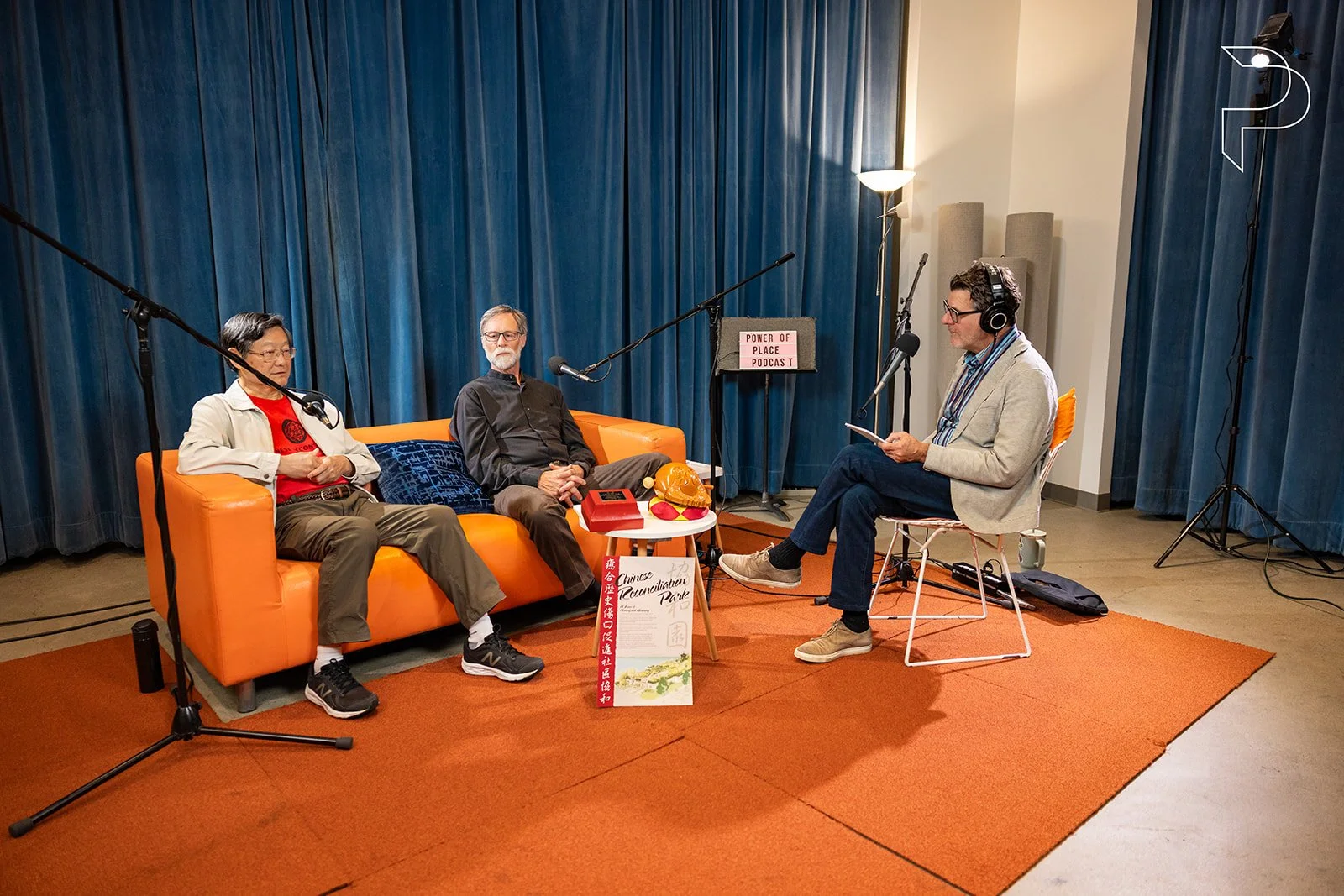
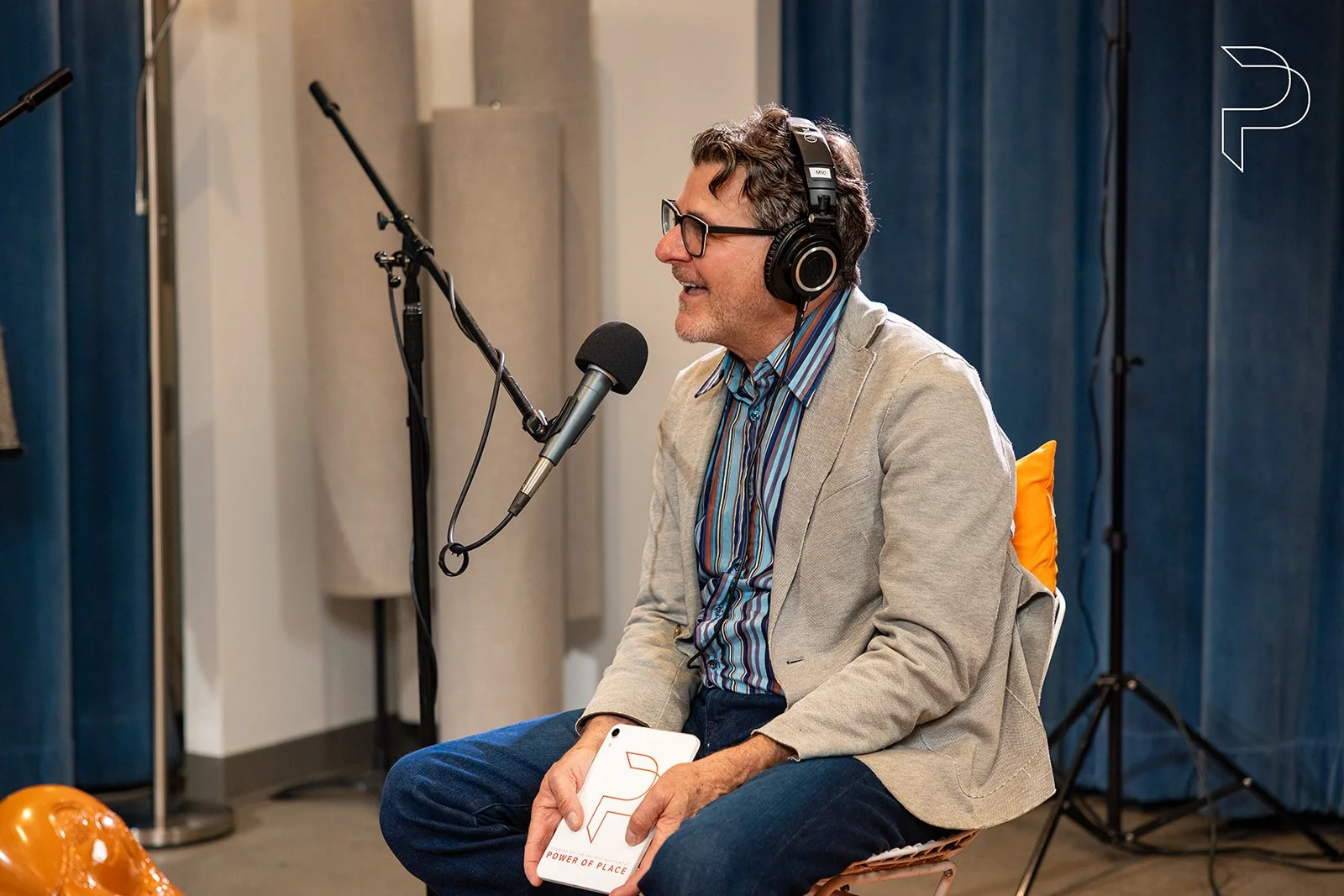
We record on the traditional lands of the Coast Salish peoples at the Jack Straw Cultural Center in Seattle’s University District.
The views expressed in this podcast series are those of the guests and reflect their personal lived experiences. Power of Place presents oral histories with real people, and while some opinions may be controversial, they are shared as authentic expressions that honor the complexity of place. Conversations are edited for length and clarity, but otherwise remain unedited to preserve context and substance. Listener discretion is advised.
For more insight into Tacoma’s Chinese Community, explore:
“A character engraved on a plaque or a piece of rock is not enough. We want a place of power.”